
California Anesthesia Error Attorney
Take advantage of our free, private case review offer. Simply fill out the form or call us at (949) 640-8222 to schedule your consultation.
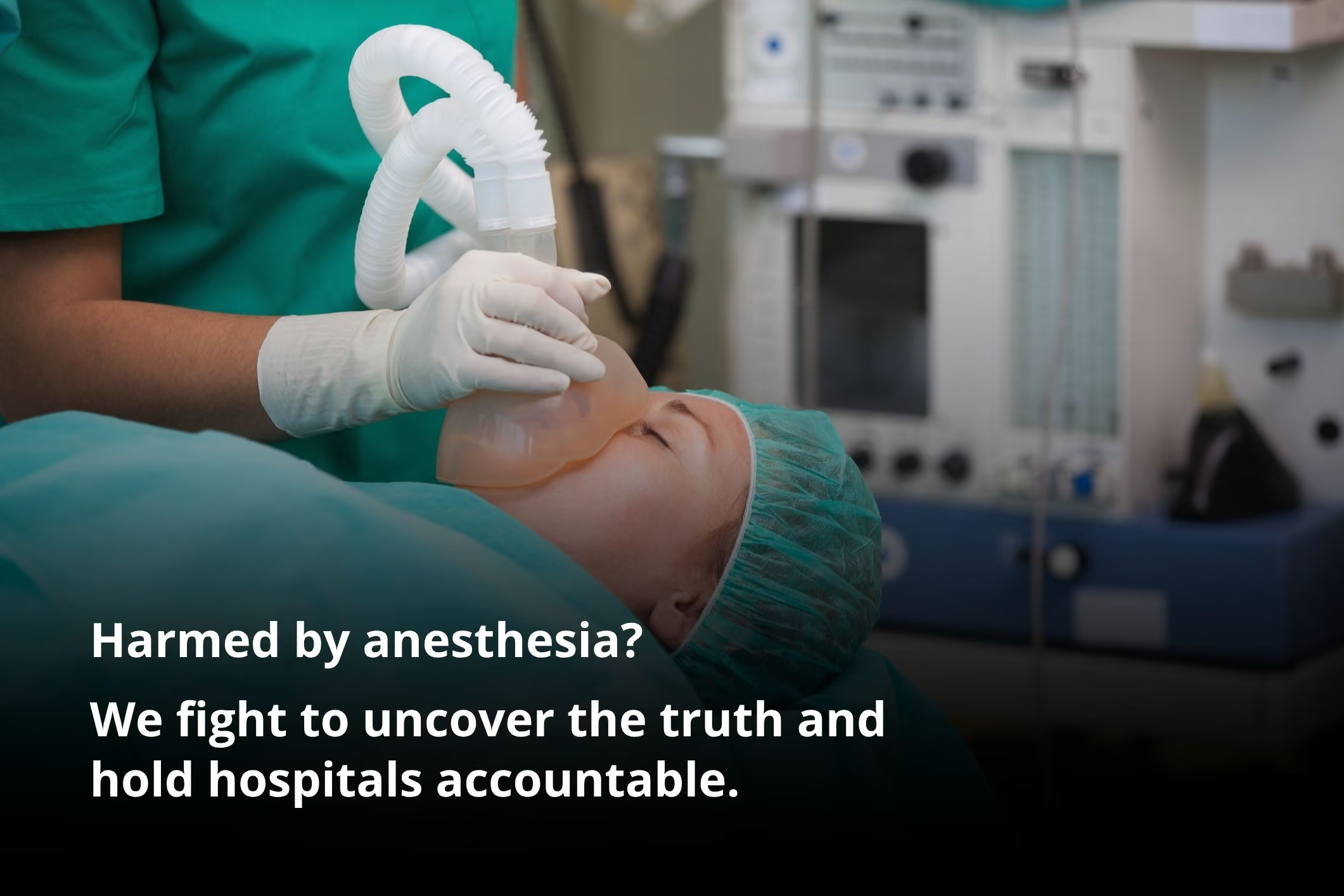



When you go in for surgery, you are placing your life in the hands of a medical team. You trust them to monitor your breathing, heart rate, and oxygen levels, and keep you safe at your most vulnerable. For most patients, anesthesia is the part they think about the least. You expect to go to sleep and wake up safely. That’s it.
When something goes wrong with anesthesia, what should have been a routine procedure can turn into a medical crisis in minutes. At Hodes Milman, we have been representing patients in complex medical malpractice cases for more than 30 years. We have recovered hundreds of millions of dollars for our clients across California, and we have earned national recognition for our work in medical negligence litigation. But what truly sets us apart is our willingness to take on difficult cases that other firms turn away.
If you are hurting, we are here to listen. Call us today at (949) 640-8222 or fill out our online form for a private, no-cost conversation about what happened.
“Dan Hodes represented me during a very difficult time in my life, and I am so appreciative of his support throughout this journey. From the beginning, he made me feel seen, heard, and taken seriously during the most challenging times. He took ample time to walk me through every step of the process, explained complex legal issues clearly, and was always responsive when I had questions.
Dan is thorough, strategic, and deeply knowledgeable. He and the team prepared meticulously and fought hard for the best outcome possible. I always felt he had my best interests at the forefront and that he genuinely cared about my case, not just as a file, but as a person.
If you are looking for an attorney who is compassionate, detail-oriented, and relentless in pursuing justice, I highly recommend Dan Hodes!”
What Is Anesthesia Malpractice?
Anesthesia is a complex science. It requires constant, second-by-second attention to a patient’s heart rate, oxygen levels, and depth of sleep. Malpractice happens when an anesthesiologist, nurse anesthetist, or hospital fails to follow the standard safety rules that every medical professional is trained to know.
When these rules are ignored, even for a moment, the results can be life-changing. A California anesthesia malpractice lawyer looks for where the "chain of safety" broke. Was it a lack of communication? A failure to check a patient’s history? Or a lack of attention to the monitoring machines?
Types of Anesthesia Used in California Hospitals
Understanding your case starts with knowing what kind of anesthesia was used. There are four main types, and each carries its own set of risks:
- General Anesthesia: This puts you in a state of total unconsciousness. You are "asleep" and cannot feel pain or remember the procedure. This often requires a breathing tube.
- Regional Anesthesia: This numbs a large part of the body, like an epidural during childbirth or a "block" for arm or leg surgery. You are usually awake but relaxed.
- Sedation (MAC): Also called "twilight sleep," this is often used for shorter procedures like colonoscopies. You are very drowsy but can usually breathe on your own.
- Local Anesthesia: This numbs a tiny, specific area (like a shot at the dentist).
When a surgery goes wrong, it’s an isolating, frustrating place to be. Especially when you’re being met with clinical "doctor-speak" instead of honest answers.
At Hodes Milman, we don't just see a case file; we see a family that has been blindsided. We’ve been in your shoes as survivors and victims ourselves. We step in to handle the aggressive insurance adjusters and the legal paperwork, giving you the space to actually breathe. Let’s talk about what happened at (949) 640-8222.
Common Mistakes a California Anesthesia Errors Lawyer Can Help You With
Anesthesia is not guesswork. It requires careful planning, constant attention, and precise execution. When something goes wrong, it is rarely a mysterious complication. In many cases, it traces back to a preventable mistake.
Some of the most common issues a California anesthesia malpractice lawyer investigates include:
1. Dosage Mistakes
Anesthesia must be tailored to the patient’s weight, age, medical history, and the type of procedure being performed.
- Too much anesthesia can dangerously suppress breathing and heart function, leading to brain injury, stroke, cardiac arrest, or death.
- Too little anesthesia can cause anesthesia awareness — a traumatic event where a patient becomes conscious during surgery but cannot move or speak because of paralytic drugs.
2. Failure to Monitor Vital Signs
An anesthesiologist’s primary role during surgery is monitoring. Oxygen saturation, heart rhythm, blood pressure, and carbon dioxide levels must all be watched very closely.
If warning signs are missed or ignored, a patient can suffer oxygen deprivation in minutes. Distraction, fatigue, understaffing, or divided attention in multiple operating rooms can all contribute to dangerous lapses.
3. Airway and Intubation Errors
Many patients require a breathing tube during surgery. Mistakes can include:
- Placing the tube in the wrong location
- Damaging the airway during insertion
- Failing to secure the tube properly
- Removing it too soon (premature extubation)
When the airway is not properly managed, the brain may not receive enough oxygen, resulting in permanent injury.
4. Poor Pre-Operative Assessment
Before anesthesia is ever administered, the provider must carefully review:
- Allergies
- Current medications
- Prior reactions to anesthesia
- Heart or lung disease
- Conditions like sleep apnea
- Body weight and overall health status
If this step is rushed or incomplete, the anesthesia plan may be unsafe from the start. Drug interactions, allergic reactions, and predictable complications can occur when medical history is ignored.
5. Medication Mix-Ups
Operating rooms move fast. Multiple medications may be drawn into syringes that look nearly identical. A labeling error, syringe swap, or incorrect concentration can result in the wrong drug being administered.
These mistakes can trigger cardiac events, seizures, respiratory failure, or severe allergic reactions.
6. Equipment Failures or Misuse
Anesthesia relies on complex machines, such as ventilators, vaporizers, infusion pumps, and monitoring devices. Providers must check and calibrate this equipment before every procedure.
Errors can involve:
- Failing to refill anesthesia vaporizers
- Improper ventilator settings
- Ignoring monitor alarms
- Using defective or poorly maintained equipment
7. Inadequate Training or Supervision
In some hospitals, certified registered nurse anesthetists (CRNAs) may work with limited supervision. In teaching hospitals, trainees may participate in care.
If providers are not properly trained, supervised, or supported, patient safety can suffer. Hospitals have a responsibility to ensure qualified professionals are managing anesthesia at all times.
8. Post-Anesthesia Negligence
Anesthesia risks do not end when surgery ends. Patients must be closely monitored in recovery. Breathing problems, internal bleeding, and delayed reactions can occur after the procedure.
Failure to properly monitor a patient in the recovery room can undo everything that went right during surgery.
Meaningful Outcomes for Families After Anesthesia Errors
A survey found that more than nine out of ten personal injury claimants who hired a lawyer received a settlement or award, compared to only about half of those who handled their own cases. Legal guidance also had a major impact on the size of recoveries: people with attorneys received an average of $77,600, versus $17,600 for those without.
At Hodes Milman, we have helped families across California navigate the aftermath of anesthesia errors. Here are just a few examples of how we’ve made a difference:
- $2,000,000 Settlement for a Newlywed Man: A young man underwent a routine appendix removal. Despite orders to keep him on breathing assistance for 24 hours, he was taken off the machines too early. The lack of oxygen caused a permanent brain injury, leaving him in a vegetative state.
- $500,000 Settlement for a Grieving Son: A 60-year-old father died following complications from anesthesia during liver surgery. We represented the man’s 15-year-old son, securing a settlement that helped provide for the boy’s future after the loss of his father.
Serious Injuries Investigated by a California Anesthesia Malpractice Lawyer
When something goes wrong during a procedure involving anesthesia, the damage can happen quickly. Our attorneys often see patients facing injuries such as:
- Brain Damage (Hypoxic Brain Injury): When oxygen levels drop, brain cells begin to die. This is known as hypoxia. A patient who survives may face memory loss, difficulty speaking, personality changes, loss of motor skills, or permanent cognitive impairment.
- Cardiovascular Collapse: Anesthesia directly affects heart rate and blood pressure. If medication is miscalculated or improperly administered, the heart can stop or fall into a dangerous rhythm. Patients may suffer cardiac arrest, stroke, severe drops in blood pressure, or oxygen deprivation affecting multiple organs.
- Nerve Damage and Spinal Injuries: Regional anesthesia, such as epidurals or spinal blocks, requires precise needle placement. A small error can injure surrounding nerves or even the spinal cord. Patients may experience chronic pain, numbness, weakness, loss of bladder or bowel control, or partial paralysis.
- Anesthesia Awareness: Few experiences are as terrifying as being awake during surgery but unable to move or speak because of paralytic medications. A patient may hear conversations or feel pressure, sometimes even pain, yet have no way to alert the surgical team. The psychological effects can last for years, including post-traumatic stress, nightmares, panic attacks, fear of future medical care, and sleep disturbances.
- Wrongful Death: The most tragic cases involve a patient who never regains consciousness. A routine or planned procedure suddenly turns fatal due to oxygen deprivation, cardiac arrest, allergic reactions, medication errors, or equipment failure.
Anesthesia injuries are rarely “minor.” They tend to involve the very systems that keep us alive and functioning.
A California anesthesia error attorney from Hodes Milman will work alongside leading medical experts to determine exactly what went wrong and whether the medical team responded appropriately. You deserve clear answers about what happened in that operating room. Contact our office online or by calling (949) 640-8222 for a 100% free case review to discuss your situation and learn what steps you can take next.
Do I Qualify for a California Anesthesia Malpractice Claim?
After a surgery goes wrong, it may be challenging to get a direct answer explaining what happened. Doctors may say a complication was “rare but possible.” Hospital staff may avoid giving direct explanations. You may be told that anesthesia is never risk-free.
That can be true.
But not every bad outcome is unavoidable. Some are the result of preventable mistakes.
The key question is not whether a complication occurred. The real question a California anesthesia malpractice lawyer looks at is: Did the medical team follow accepted safety standards at every step?
In general, you may have a valid anesthesia malpractice claim if the following are present:
- A Duty of Care Existed: When an anesthesiologist, nurse anesthetist, or hospital agrees to treat you, they take on a legal and professional obligation to provide care that meets established medical standards.
- The Standard of Care Was Violated: Anesthesia providers must properly evaluate your medical history, calculate dosages carefully, monitor you continuously, and respond immediately to warning signs. If they failed to do what a reasonably careful provider would have done under similar circumstances, that may constitute negligence.
- The Mistake Caused the Injury: It is not enough to show that something went wrong. The evidence must connect the error to the harm.
- You Suffered Measurable Harm: This can include physical injury, cognitive changes, additional surgeries, long-term care needs, lost income, or the death of a loved one.
What Evidence Do We Review in an Anesthesia Error Case?
Anesthesia cases often come down to the fine details recorded during surgery and a hospital To understand what truly happened, we conduct a comprehensive review of the underlying data.
Our investigation may include:
- Complete anesthesia records, including minute-by-minute medication administration logs.
- Electronic monitoring data showing oxygen saturation, heart rate, blood pressure, and carbon dioxide levels.
- Ventilator settings and airway management documentation.
- Medication charts, dosage calculations, and syringe labeling records.
- Blood gas studies and laboratory results.
- Pre-operative evaluations and risk assessments.
- Hospital protocols, supervision records, and staffing information.
When Should I Reach Out to a California Anesthesia Errors Lawyer?
In California, there are strict deadlines for filing a medical malpractice lawsuit. Generally, you have one year from the date you discovered the injury (or should have discovered it) to take action. However, in no case can you wait longer than three years from the date of the injury, unless there are very specific exceptions at play.
Because anesthesia cases require careful investigation and detailed expert review, it is important to speak with a California anesthesia malpractice attorney sooner rather than later. These claims are governed by strict filing deadlines under California law. If too much time passes, you may lose the ability to bring a case at all. No matter how serious the injury.
That said, simply asking about the statute of limitations does not commit you to filing a lawsuit. A consultation is just a conversation. We can explain the timing rules that apply to your situation, review what happened, and let you know where you stand. You are not locked into anything. Our goal at this stage is to give you clear information so you can decide what feels right for you and your family.
You can call us at (949) 640-8222 or reach out through our online contact form to schedule a confidential, no-cost case review today.
Why People Turn to Hodes Milman
At Hodes Milman, we bring more than legal experience to the table. For over 30 years, we have represented families in some of California’s most complex medical malpractice and anesthesia error cases. We know the medical procedures and the strategies that hospitals and insurers use to defend themselves. That knowledge allows us to investigate thoroughly, uncover the facts, and advocate for clients in ways that most firms cannot.
We have helped clients secure over $400 million in recoveries, not by taking the easiest route, but by preparing each case as if it would go to trial. More importantly, we approach every family with the care and attention we would want for our own loved ones.
When an anesthesia error changes your life, having the right legal team can make a meaningful difference. At Hodes Milman, we stand ready to always go the extra mile for our clients. Reach out to us today online or by calling (949) 640-8222.
Proudly Representing California Residents
%201.avif)

Dan Hodes treated me like a human being, not just another client. He showed me he cared by how hard he worked on my case.
My daughter was born with a disability due to doctor neglect. I emailed over 200 lawyers over a 2 year time span. I had ONE lawyer believe in my case and he worked with Jeff Milman over the next year helping build my case. Jeff won my case and I cannot thank him enough for believing in me!! He was so pleasant to work with and professional. I will forever be thankful to him and his team!
They are friendly and honest and fought for what they believed was best in our interest.
California Anesthesia Malpractice Frequently Asked Questions

In an anesthesia malpractice case, there are generally two types of compensation: economic and non-economic damages.
Economic damages cover measurable financial losses, including:
- Past and future medical expenses related to the injury
- Costs for ongoing therapy, rehabilitation, or long-term care
- Lost wages or reduced earning capacity if you missed work or cannot return to your previous job
- Expenses for assistive devices, home modifications, or other support services
Non-economic damages are meant to compensate for intangible harm, such as physical pain, emotional suffering, or loss of enjoyment of life.
Yes. "Anesthesia awareness" is a serious failure. The psychological trauma, including PTSD, night terrors, and a lifelong fear of doctors, is a significant injury that deserves recognition.
It isn't always just the anesthesiologist. Depending on the mistake, the hospital, the nurse anesthetist, or even the manufacturer of a faulty monitoring machine could be liable.
Every case is different. The value of each case depends on many factors, including the type of injury, the circumstances of the procedure, and the long-term impact on your life. While California law (MICRA) has limits on "pain and suffering" damages (currently $470,000 for injuries in 2026), there is no limit on economic damages like past and future medical bills, therapy, and lost wages.
- Medical records and treatment plans
- Expert medical opinions
- The severity and permanence of the injury
- The financial impact on you and your family
A consent form means you accepted the normal risks of surgery. It does not give the doctor permission to be negligent or careless. You cannot "sign away" your right to safe medical care.
Proudly Representing California Residents
Your life changed in an instant. Getting justice shouldn’t wait. Connect with Hodes Milman today and put a proven team to work on your case.