
Cancer Misdiagnosis Attorney
Take advantage of our free, private case review offer. Simply fill out the form or call us at (949) 640-8222 to schedule your consultation.
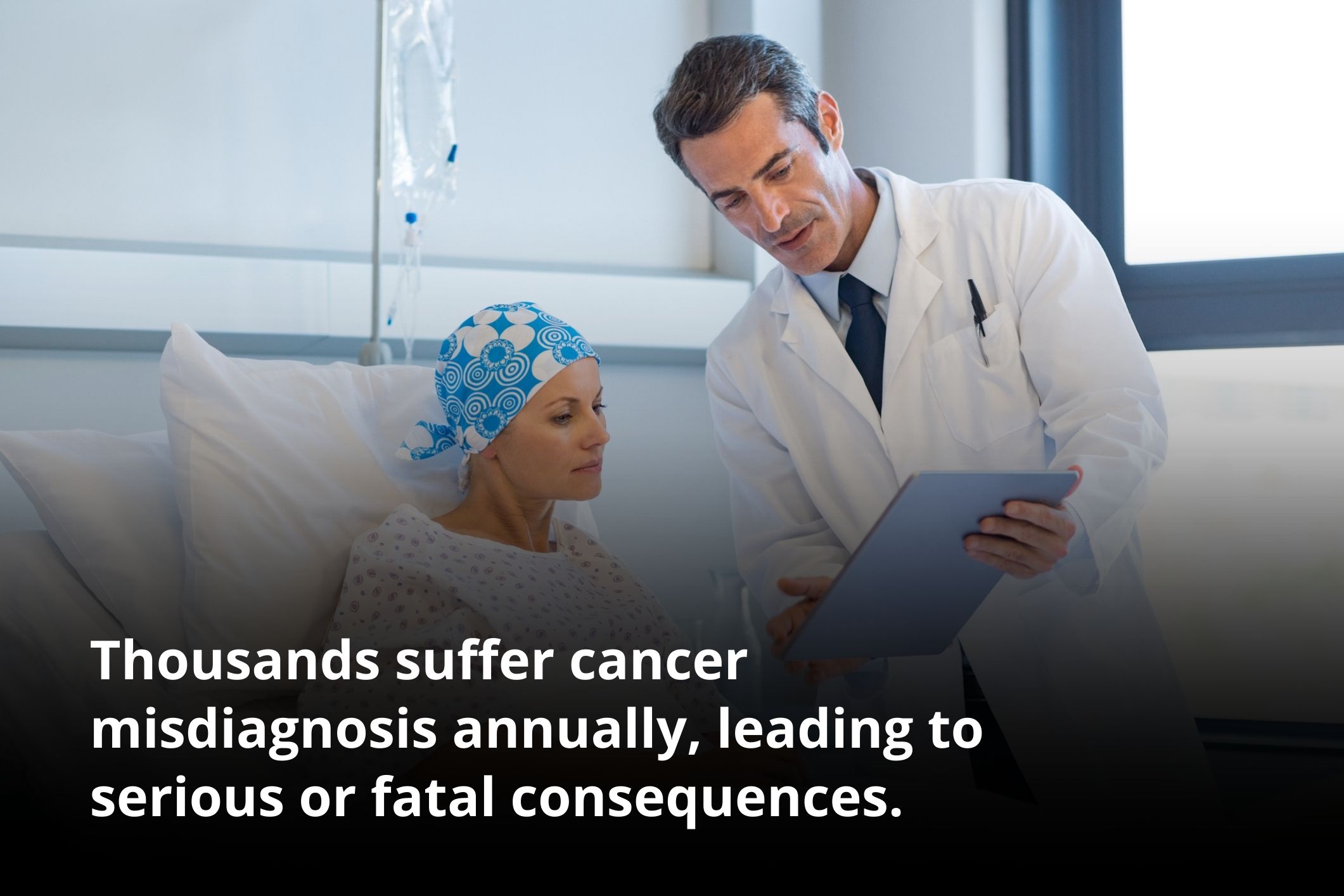




Perhaps the most important indicator of survival for cancer patients is how quickly the condition is detected, diagnosed, and treated. Many cancer treatments hinge on early detection and swift treatment. However, medical professionals who fail to adequately screen for cancer can rob their patients of critical, life-saving time.

If you or a loved one has suffered due to a doctor's failure to diagnose your cancer in a timely manner, an experienced lawyer can help you file a claim. They can also help secure damages that can help pay for better care and a brighter future.
As one of the nation's leading cancer misdiagnosis law firms, the attorneys at Hodes Milman have over 30+ years of experience in cancer misdiagnosis cases. When the medical system fails you, our team steps in to help you reclaim control. Contact us online or by calling (949) 640-8222 to get the justice you deserve.
"They successfully represented us in a somewhat complex medical malpractice lawsuit. My husband and I are extremely fortunate and grateful to have had Mr. Daniel Hodes as our attorney. His expertise and professionalism throughout the process quickly brought us peace of mind, especially during such a stressful time.
I highly recommend Mr. Daniel Hodes to anyone seeking exceptional legal representation. We are extremely satisfied with the outcome of his service."
- Client | Melissa R.
Inside a Cancer Misdiagnosis: What Often Gets Overlooked
Cancer is a disease where time matters. In this video, founding partner Dan Hodes explains how missed symptoms, delayed testing, and misread imaging can lead to dire results and what patients can do if they believe a medical mistake delayed their diagnosis.
Do I Qualify for a Cancer Misdiagnosis Lawsuit?
Diagnostic errors are responsible for the deaths or permanent disabilities of approximately 795,000 people annually across clinical settings. Cancer misdiagnoses, particularly lung cancer, contribute significantly to this staggering number.
You may be able to sue for damages if you received a false or delayed cancer diagnosis. This may apply to cancer misdiagnosis as well as other commonly misdiagnosed ailments, such as a stroke.
Every day we talk to families who feel rightfully distraught over lost time. They are dealing with the painful reality that a disease was allowed to spread simply because a professional didn't do their job properly.
You may have grounds for a cancer misdiagnosis lawsuit if:
- A doctor or specialist gave you an incorrect cancer diagnosis.
- You received regular medical check-ups, but they did not result in a diagnosis.
- Your doctor seemed to ignore, discount, or misinterpret the symptoms you described.
- A late diagnosis resulted in a delay in your care or a change in your treatment options.
- You had scans or other important tests misread or misinterpreted by a doctor.
The Life-Changing Consequences of a Cancer Misdiagnosis
When a medical professional misses the signs of cancer, the true cost is measured in lost opportunities. A delayed or incorrect diagnosis can take away treatment options, precious time with loved ones, and the chance to make informed decisions about your health. Even a delay of a few weeks or months can completely reshape a person's future.
The physical, emotional, and financial effects of a cancer misdiagnosis may include:
- Progression to Advanced Stages: Cancer that may have been treated with surgery or localized therapies can continue to grow and spread to nearby tissues or distant organs, making treatment far more difficult.
- More Aggressive or Unnecessary Treatment: A delayed diagnosis often means more extensive surgeries, stronger chemotherapy, radiation, or immunotherapy that may not have been needed if the cancer had been caught sooner. In other cases, an incorrect diagnosis can lead to treatments for a condition the patient never had, exposing them to unnecessary risks and side effects.
- Shortened Life Expectancy: For many forms of cancer, early detection offers the best opportunity for successful treatment. When valuable time is lost, survival rates can decline, and treatment may shift from curative to managing the disease.
- The Heartbreak of Lost Time: Families lose more than treatment options. They lose birthdays, holidays, milestones, and the chance to spend meaningful time together. Instead of planning for the future, they may find themselves facing difficult medical decisions far sooner than anyone expected.
- Financial Strain: More advanced cancer often requires longer hospital stays, additional specialists, expensive treatments, travel for care, and time away from work. Families may face growing medical bills while also losing income.
- Emotional Harm: Learning that cancer should have been diagnosed earlier can leave patients and families with lasting grief, anger, anxiety, and uncertainty. Many people struggle with the knowledge that different medical decisions may have led to a very different outcome.
Why Does Cancer Misdiagnosis Happen?
Doctors and healthcare providers are highly trained, but cancer diagnoses depend on many people making the right decisions at the right time. When someone rushes, makes assumptions, overlooks important information, or fails to communicate, the result can be a delayed or missed cancer diagnosis.
When we investigate these cases, we often find that the mistake could have been prevented. Some of the most common causes include:
- Failure to Listen: Dismissing persistent symptoms, such as unexplained pain, fatigue, weight loss, bleeding, or a lump, as stress, aging, or another minor condition without ordering appropriate testing.
- Misread Diagnostic Tests: Radiologists, pathologists, or other medical professionals failing to identify signs of cancer on mammograms, biopsies, blood work, X-rays, CT scans, MRIs, or other diagnostic tests.
- Failure to Order the Right Tests or Screenings: A doctor may fail to recommend age-appropriate cancer screenings, order additional testing when symptoms persist, or follow accepted medical guidelines based on a patient's symptoms or risk factors.
- Poor Follow-Up Care: Abnormal test results, suspicious imaging, or concerning symptoms may not receive the timely follow-up they require, allowing cancer to progress while a patient believes everything is normal.
- Communication Breakdowns: Critical information may never reach the right provider. Lab results can be overlooked, medical records may not be shared between providers, or serious findings may never be explained to the patient.
- Failure to Refer to a Specialist: When a patient's symptoms or test results require additional evaluation, a primary care provider should refer them to an oncologist or another specialist. Delaying or failing to make that referral can postpone diagnosis and treatment.
- Laboratory or Equipment Errors: Although less common, mistakes during laboratory testing, faulty equipment, contaminated samples, or mislabeled specimens can also lead to an incorrect diagnosis.
Listen to Attorney Dan Hodes Talk About How Cancer Misdiagnoses Occur
Attorney Dan Hodes discusses the unfortunate reality of cancer misdiagnosis, where diagnoses are delayed or even missed entirely. Listen to his take on the critical importance of early detection, timely treatment, and holding healthcare providers accountable when they fail to act in the best interests of their patients:
What to Expect When Filing a Lawsuit With a Cancer Misdiagnosis Lawyer
Filing a lawsuit for cancer misdiagnosis can seem overwhelming and confusing, especially if you've never taken legal action before. However, knowing what you can roughly expect during the process can help ease your worries.
While every case is different, below are the general steps involved in pursuing a lawsuit:
- Initial Consultation: You'll meet with a cancer misdiagnosis attorney to chat about your case in a 100% free and private case evaluation. They will listen to your story, review your medical records, and help determine if you have a strong case.
- Investigation and Evidence Gathering: If you decide to move forward, your lawyer will collect important evidence, such as medical records, test results, and medical expert opinions.
- Filing the Lawsuit: Your attorney will officially file a complaint in court, which outlines your case and the damages you're seeking.
- Discovery Phase: Both sides will exchange information, including documents and testimony from medical experts. This can take some time.
- Negotiation or Settlement: Many cases are settled before going to trial. Your lawyer will negotiate on your behalf with the other side to see if you can reach a fair settlement.
- Possible Trial: If the other side won't agree to a fair settlement that accurately addresses everything you've been through, then you and your attorney can decide whether to take the case to trial. Your lawyer will represent you, and both sides will present their evidence to a judge or jury.
Whether your doctor failed to recognize your cancer, adequately treat it, or diagnose it, having your case reviewed by our legal team can give you an idea of whether you have a case.
The attorneys at Hodes Milman can provide reliable answers to your questions and help you evaluate which legal options are right for you and your family. Contact our offices at (949) 640-8222 or fill out our online contact form today.
How Our Cancer Misdiagnosis Lawyers Investigate Your Cancer Misdiagnosis Case
Building a clear, undeniable case requires looking past standard charts and examining the exact timeline of your medical care. At Hodes Milman, we view your situation with a fresh perspective, looking into every detail to figure out exactly where the system broke down.
Our investigative process includes:
- Securing Comprehensive Records: We gather every piece of paper, lab report, scan, and internal communication regarding your care.
- Partnering with Independent Medical Experts: We work closely with trusted oncologists, radiologists, and specialists who can pinpoint exactly when your cancer should have been caught.
- Reconstructing the Timeline: We build a clear comparison showing what your treatment plan should have looked like versus the delayed reality you were forced to experience.
How Long After Cancer Misdiagnosis Can You Sue?
Personal injury claims, such as medical malpractice and misdiagnosis lawsuits, are subject to deadlines in each state, known as statutes of limitations. For example, in California, you must file your case within one year of discovering the misdiagnosis. However, these deadlines vary, so it is important to consult an attorney on your state's specific deadline.
As soon as you know of your injury, it's crucial to act fast so you do not miss your window for justice and compensation. We at Hodes Milman understand that your first priority is seeking proper medical care. That's why an experienced cancer misdiagnosis attorney at our firm will gather documents and pursue an investigation on your behalf so you can focus on your health.
How Do You Prove Medical Misdiagnosis?
To prove medical misdiagnosis, your attorney must meet four standards of negligence:
- Establish that a duty of care was owed to you from your doctor, nurse, or medical office.
- Show that the duty of care was breached when they failed to test, diagnose, or inform you properly.
- Establish that your injuries were a direct result of that breach of duty.
- Show that those injuries cost you and your family time, money, and emotional anguish.
Evidence in your case may come from your medical records, documents from your physician's office, witness testimony from other healthcare workers, expert testimony from medical specialists or economists, and other research conducted by your legal team.
By proving each of these standards, your lawyer builds a strong case for negotiating a robust settlement or securing a favorable verdict at trial.
Types of Cancer Misdiagnosis Cases Our Cancer Misdiagnosis Lawyers Handle
At Hodes Milman, our attorneys have decades of courtroom experience handling highly complex medical negligence claims and handle a wide range of cancer misdiagnosis cases.
We regularly represent clients facing errors involving:
Our experience includes cases involving:
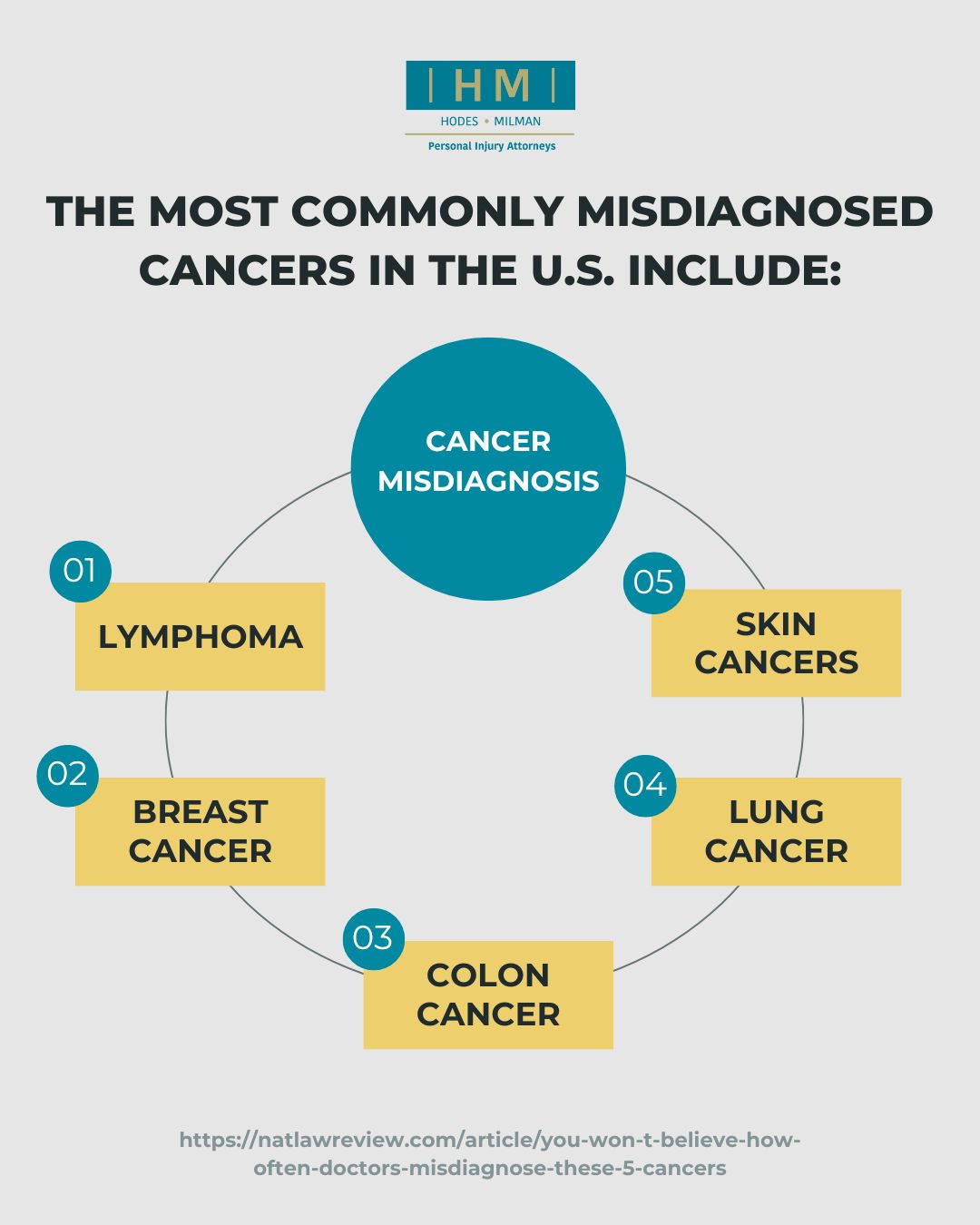
- Breast and Gynecologic Cancers: Breast, ovarian, cervical, uterine, and endometrial cancers that were missed during screenings, mammograms, pelvic exams, or diagnostic testing.
- Lung and Chest Cancers: Lung cancer and other thoracic cancers that were mistaken for pneumonia, bronchitis, asthma, or other respiratory conditions.
- Digestive System Cancers: Colorectal, colon, rectal, stomach, esophageal, liver, pancreatic, and gallbladder cancers that were misdiagnosed as ulcers, acid reflux, irritable bowel syndrome (IBS), or other digestive disorders.
- Skin Cancers: Melanoma, squamous cell carcinoma (SCC), basal cell carcinoma (BCC), and other skin cancers that were not properly biopsied or evaluated.
- Blood Cancers: Leukemia, lymphoma, multiple myeloma, and other blood cancers that were overlooked despite abnormal blood work or persistent symptoms.
- Urinary and Reproductive Cancers: Prostate, bladder, kidney, renal cell carcinoma (RCC), and testicular cancers that were missed because warning signs were dismissed or testing was delayed.
- Head, Neck, and Brain Cancers: Brain tumors and cancers affecting the head, neck, thyroid, mouth, throat, or sinuses that were mistaken for migraines, infections, or other less serious conditions.
Every cancer misdiagnosis case is different. If your diagnosis isn't listed above, we still encourage you to reach out. Call Hodes Milman at (949) 640-8222 or fill out our online form for a free, confidential consultation, and we'll help you understand whether medical negligence may have played a role.
What Do Damages in a Cancer Misdiagnosis Lawsuit Settlement Cover?
No one number or range adequately describes an average settlement or verdict for cancer misdiagnosis. This is because the costs of a person's losses are unique in every case.
A lawyer can help you receive a damage award payout that covers:
- Past and future medical bills for treatments, surgeries, medications, and follow-up care.
- Lost wages and future earnings for you and your spouse if they've taken off work to care for you.
- Pain and suffering damages, like experiencing depression, anger, and PTSD, as well as the impact these emotions may have on your partner or family.
- Punitive damages, which are funds meant to punish the other party in instances where the doctor or medical establishment was particularly incompetent or willfully negligent.
- Wrongful death damages for surviving family members, which include economic figures like their lost income as well as non-economic losses like the loss of their unique companionship and guidance.
Choosing a legal team with relevant experience in medical malpractice cases is important, particularly in cancer misdiagnosis claims.
A cancer misdiagnosis lawyer understands how to account for costs that may not be immediately obvious. They have the practical knowledge of tracking and gathering receipts for all your hidden costs, such as transportation costs to and from specialists.
An attorney also knows how to account for unseen damages like grief, translating those losses into language the court can understand and award.
Studies show that having experienced legal representation can dramatically increase the amount of compensation you receive.
In fact, a Martindale-Nolo study found that individuals with a lawyer secured an average of $77,600 in personal injury payouts, compared to just $17,600 for those who represented themselves, highlighting how crucial legal knowledge can be in maximizing your settlement.
Settlements and Verdicts Won By Our Cancer Misdiagnosis Law Firm
Hodes Milman has recovered over $400 million in medical malpractice cases for our clients. We've won landmark cancer misdiagnosis lawsuit settlements for medical negligence, including:
- $10.9 million: for the family of a woman whose HMO failed to properly follow up with care for cervical dysplasia, contributing to her death. To date, this is the largest medical malpractice wrongful death verdict in its county.
- $1.5+ million: for a 46-year-old woman who suffered from incurable breast cancer with a less than one-year life expectancy due to a delay in diagnosis.
- $1.1+ million: for a 67-year-old man who received a delayed lung cancer diagnosis.
Who Can Be Held Liable in Cancer Misdiagnosis Claims?
A delayed or missed cancer diagnosis is rarely the result of one mistake. In many cases, several healthcare providers or organizations had opportunities to recognize the warning signs but failed to act. Part of our job is identifying where the breakdown occurred and holding every responsible party accountable.
Depending on the facts of your case, liability may include:
- Primary Care Physicians (PCPs): Failing to recognize concerning symptoms, order appropriate testing, recommend cancer screenings, or refer a patient to a specialist when further evaluation was needed.
- Specialists: Oncologists, gastroenterologists, gynecologists, dermatologists, pulmonologists, and other specialists may be responsible if they overlook signs of cancer, misinterpret test results, or fail to recommend additional testing or treatment.
- Radiologists: Misreading mammograms, CT scans, MRIs, X-rays, ultrasounds, or other imaging studies that show signs of cancer.
- Pathologists: Failing to correctly identify cancerous or precancerous cells in biopsy samples or other tissue specimens.
- Medical Laboratories: Mishandling, contaminating, mislabeling, or improperly processing blood work, biopsies, or other laboratory specimens that lead to inaccurate test results.
- Hospitals and Healthcare Systems: Inadequate staffing, poor communication between departments, failures to notify patients of abnormal test results, or breakdowns in policies designed to track follow-up care.
- Nurses and Other Healthcare Professionals: Failing to properly document symptoms, communicate important information to physicians, or follow established standards of patient care.
- Urgent Care Centers and Emergency Departments: Sending patients home without appropriate testing, failing to recognize warning signs of cancer, or attributing symptoms to less serious conditions without adequate evaluation.
- Health Insurance Companies: In some situations, an insurance company's denial or unreasonable delay in approving necessary diagnostic tests, imaging, or specialist referrals may contribute to a delayed diagnosis.
"Time is one of the most valuable things when it comes to cancer. The sooner it's caught, the better the chances for treatment and recovery. Being vigilant and accurate can make all the difference in saving a life, and when that time is lost because of misdiagnosis, the consequences can be devastating."
- Dan Hodes | Founding & Managing Partner at Hodes Milman
Trust a Proven Cancer Misdiagnosis Lawyer at Hodes Milman
A missed cancer diagnosis is more than just a medical mistake; it's time stolen, hope delayed, and lives changed forever. At Hodes Milman, we understand the heavy toll that misdiagnosis takes on you and your family. Let us fight your malpractice case while you fight your illness.
Contact Hodes Milman online or by calling (949) 640-8222. You deserve more than compensation for your losses-you deserve a team willing to advocate for the justice you deserve.
%201.avif)

Dan Hodes treated me like a human being, not just another client. He showed me he cared by how hard he worked on my case.
My daughter was born with a disability due to doctor neglect. I emailed over 200 lawyers over a 2 year time span. I had ONE lawyer believe in my case and he worked with Jeff Milman over the next year helping build my case. Jeff won my case and I cannot thank him enough for believing in me!! He was so pleasant to work with and professional. I will forever be thankful to him and his team!
They are friendly and honest and fought for what they believed was best in our interest.
Cancer Misdiagnosis Lawsuit FAQs

Not every negative medical outcome means malpractice occurred. To have a valid case, we must prove that your doctor deviated from the standard of care that another competent doctor would have provided in the exact same situation, and that this failure directly caused your cancer to worsen.
First, prioritize your health by seeking a second opinion from a completely independent oncologist to get an accurate treatment path. Second, request a complete copy of your medical records and contact qualified cancer misdiagnosis lawyers immediately to preserve critical evidence before legal deadlines pass.
Because proving medical negligence requires detailed investigations and expert medical testimonies, these cases can take anywhere from several months to a few years. Our team works efficiently to handle the paperwork and insurance negotiations so your family can focus on healing.
If your loved one passed away due to a delayed cancer diagnosis, you may have a wrongful death claim. Medical errors such as missed screenings or misinterpreted test results can contribute to a fatal delay in treatment. While no amount of money can replace your loss, legal action can help provide compensation for funeral costs, lost income, and loss of consortium while holding those responsible accountable.
Proudly Representing California Residents
Your life changed in an instant. Getting justice shouldn’t wait. Connect with Hodes Milman today and put a proven team to work on your case.